Meta Description: Explore how unconscious bias and structural barriers impact recruitment. Learn about resume screening bias, culture fit vs. culture add, AI bias, and practical steps for inclusive hiring.
Introduction
Building diverse and inclusive teams is a strategic priority for modern organizations. Research consistently shows that diverse teams drive innovation, improve decision-making, and enhance financial performance. Yet despite these benefits, bias in hiring remains a persistent challenge.
Unconscious bias, structural barriers, and flawed recruitment systems often prevent companies from achieving true diversity. Understanding where bias occurs and how to address it is essential for creating equitable hiring practices.
This article explores the key sources of hiring bias and practical steps organizations can take to build more inclusive teams.
Resume Screening Bias
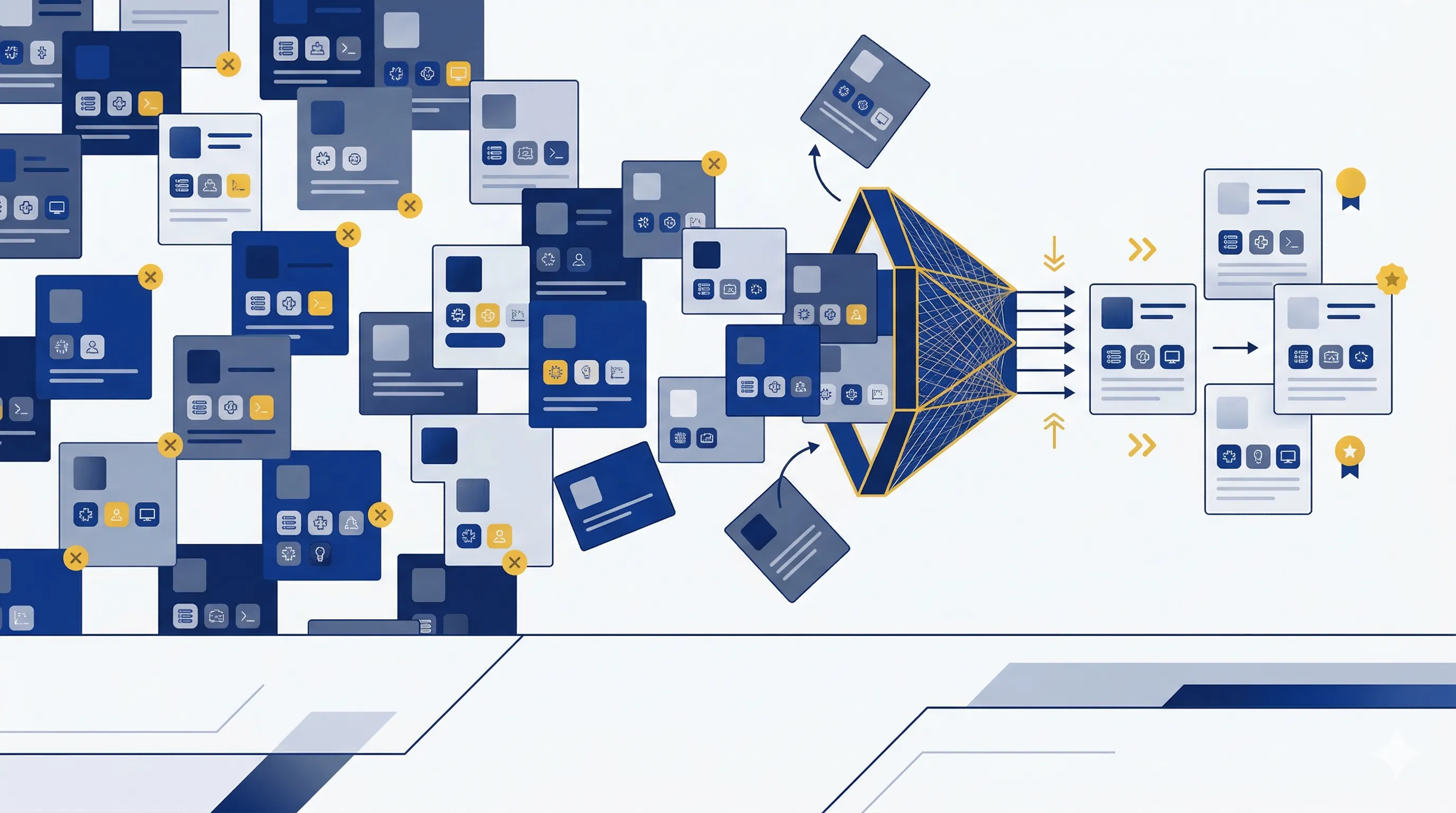
The hiring process often begins with resume screening, but this stage is particularly vulnerable to bias.
Common Forms of Resume Bias
Recruiters and hiring managers may unconsciously favor candidates based on:
- Names suggesting certain ethnic or cultural backgrounds
- Universities attended
- Geographic location
- Employment gaps
- Gender-coded language
Even subtle assumptions can influence shortlisting decisions before a candidate has the opportunity to demonstrate their skills.
The Impact
Qualified candidates may be filtered out early due to unconscious preferences rather than objective qualifications. This narrows the talent pool and limits diversity from the outset.
Cultural "Fit" vs. Culture Add
"Culture fit" is one of the most frequently cited hiring criteria, but it can also reinforce homogeneity.
The Problem with Culture Fit
When hiring managers prioritize "fit," they may unintentionally select candidates who:
- Share similar backgrounds
- Have similar personalities
- Mirror existing team members
While alignment with company values is important, overly emphasizing similarity can reduce diversity of thought and experience.
The Shift Toward Culture Add
Instead of asking, "Will this person fit in?" companies should ask:
- What new perspectives will they bring?
- How will they enhance or expand our culture?
- What unique experiences can strengthen the team?
The concept of culture add promotes growth, innovation, and broader representation.
AI Tools and Algorithmic Bias
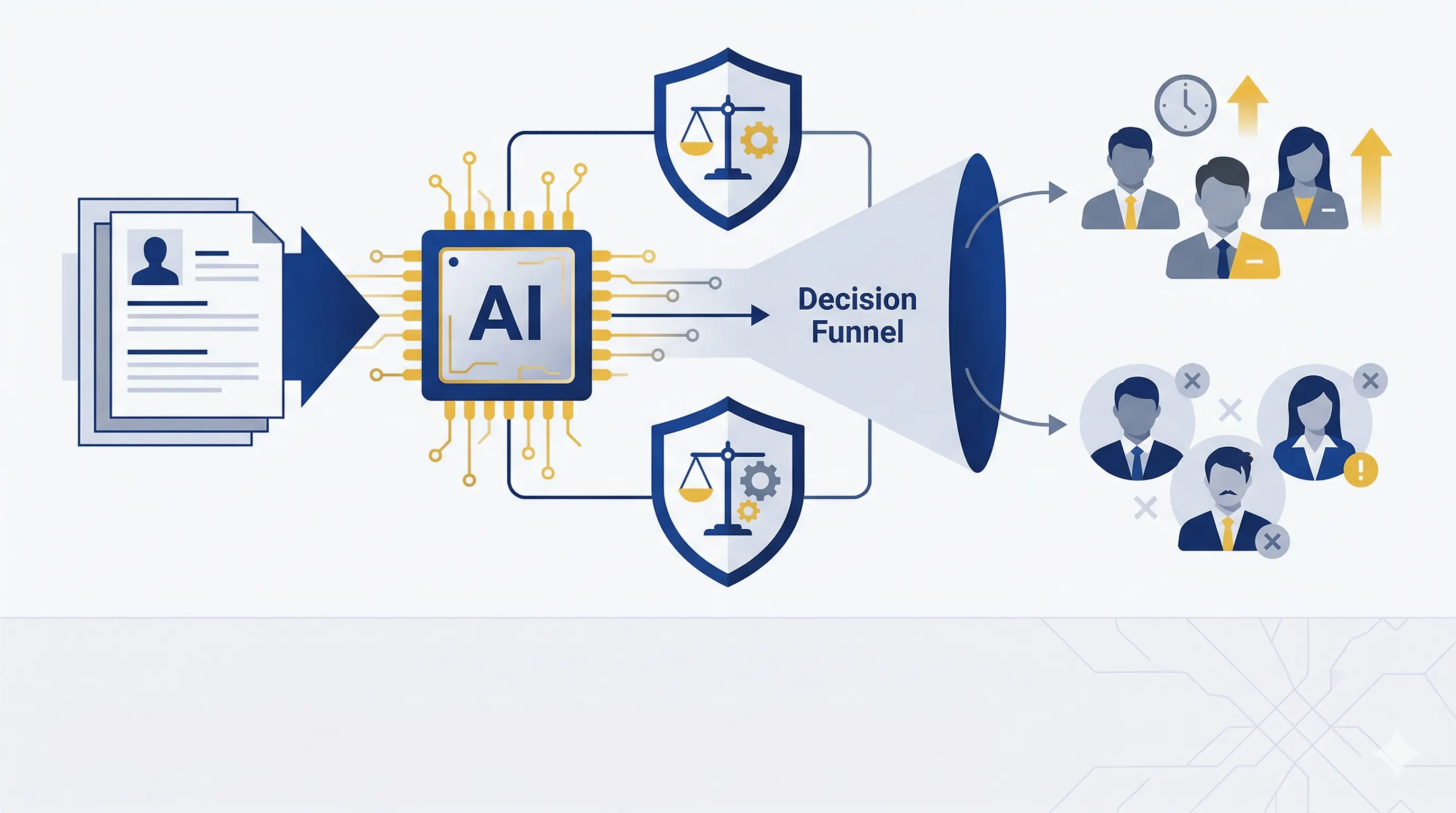
Many organizations now use AI-powered tools for resume screening, candidate scoring, and interview analysis. While automation can improve efficiency, it also introduces new risks.
How Algorithmic Bias Happens
AI systems learn from historical data. If past hiring decisions reflected bias, algorithms may:
- Favor profiles similar to previous hires
- Penalize non-traditional career paths
- Reinforce gender or racial disparities
Without careful oversight, AI can scale bias rather than eliminate it.
Responsible AI Use
Organizations must:
- Regularly audit AI tools
- Ensure diverse training data
- Combine automation with human oversight
- Evaluate outcomes for fairness
Technology should support inclusion, not undermine it.
Structural Barriers in Recruitment
Beyond individual bias, structural factors also affect diversity outcomes.
These may include:
- Limited sourcing channels
- Referral-heavy hiring practices
- Degree requirements that exclude capable candidates
- Inflexible work policies
When companies rely on narrow networks or rigid criteria, they unintentionally reduce access for underrepresented groups.
Practical Steps to Improve Inclusive Hiring
Addressing bias requires deliberate action. Organizations can implement the following strategies:
- Standardize Evaluation Criteria
- Use structured interviews.
- Define objective scoring rubrics.
- Align all interviewers on evaluation standards.
- Blind Resume Screening
- Remove identifying details such as names and addresses.
- Focus strictly on skills and experience.
- Diversify Sourcing Channels
- Expand beyond traditional job boards.
- Partner with diverse professional networks.
- Encourage inclusive outreach strategies.
- Train Hiring Teams
- Provide unconscious bias training.
- Encourage awareness of micro-decisions.
- Promote accountability in hiring decisions.
- Measure and Track Diversity Metrics
- Monitor hiring funnel data.
- Evaluate drop-off rates.
- Assess representation across departments.
What gets measured gets improved.
Why Inclusive Hiring Matters
Diverse teams are not only ethically important, they are strategically advantageous.
Inclusive hiring leads to:
- Broader problem-solving perspectives
- Greater innovation
- Stronger employee engagement
- Enhanced brand reputation
Companies that prioritize fairness and inclusion build stronger, more resilient organizations.
Conclusion
Bias in hiring is an ongoing challenge that requires continuous reflection and action. From resume screening to AI tools and cultural assumptions, bias can appear at every stage of recruitment.
By shifting from "culture fit" to "culture add," implementing structured evaluation methods, auditing technology, and expanding access to opportunities, organizations can move closer to truly inclusive hiring practices.
Building diverse teams is not a one-time initiative, it is a long-term commitment to fairness, growth, and innovation.