Meta Description: Discover how AI is transforming recruitment through automation, AI interviews, and screening tools, while raising concerns about bias, ethics, and human judgment in hiring.
Introduction
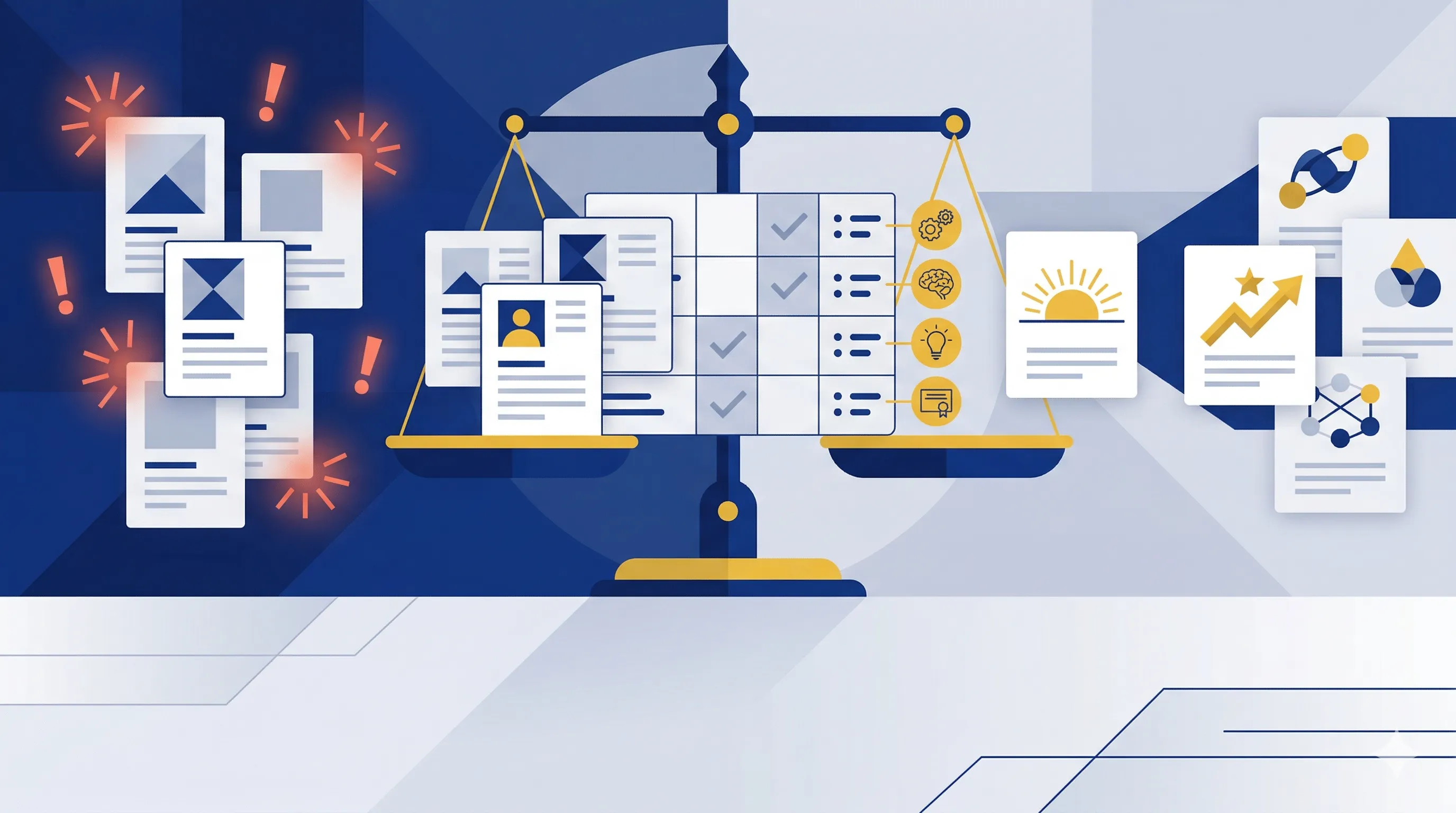
Artificial intelligence is rapidly transforming the recruitment landscape. From automated resume screening to AI-driven interviews, organizations are leveraging technology to streamline hiring processes and improve efficiency.
But as AI becomes more embedded in talent acquisition, an important question emerges: Is AI in recruitment a true solution, or a new problem in disguise?
While AI offers speed and scalability, it also introduces challenges related to bias, transparency, and candidate experience. This article explores how AI is reshaping hiring and what companies must consider when adopting it.
Automation in Resume Screening
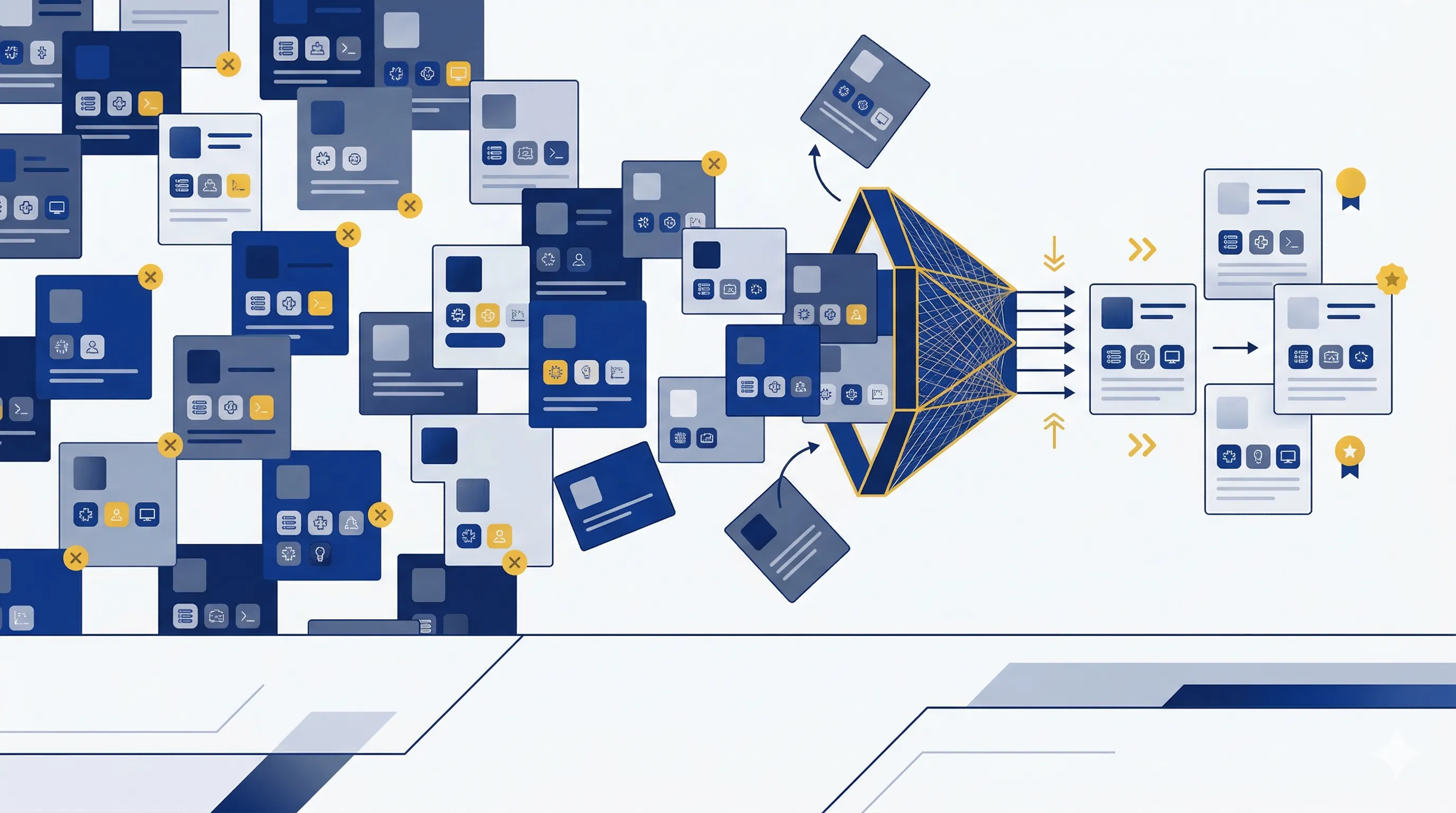
One of the most common applications of AI in recruitment is automated resume screening.
How It Works
AI-powered systems can:
- Scan thousands of resumes within seconds
- Match keywords with job descriptions
- Rank candidates based on predefined criteria
- Filter applicants before human review
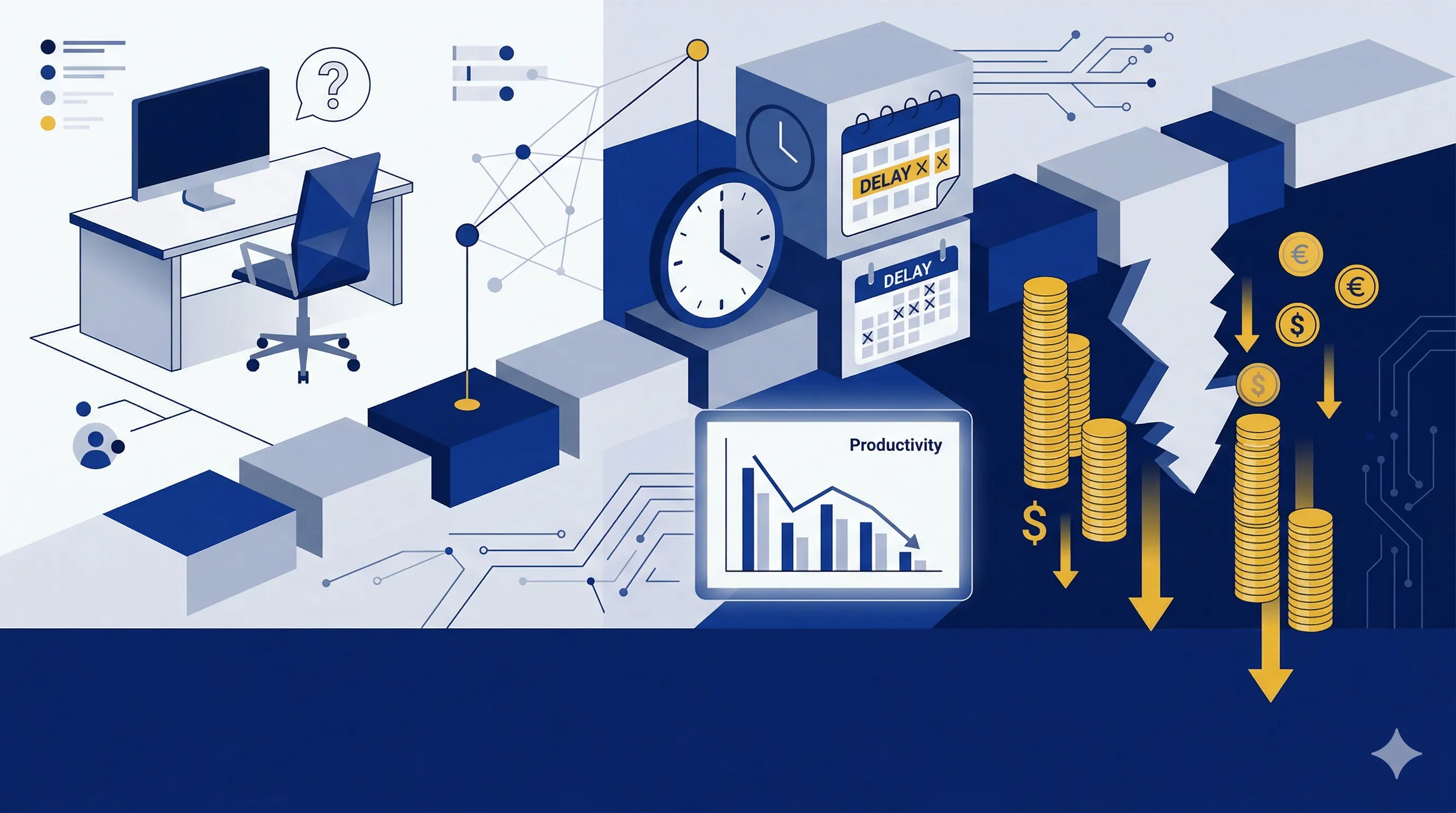
This significantly reduces manual workload and shortens time-to-hire.
The Benefits
- Increased efficiency
- Reduced administrative burden
- Faster shortlisting
- Scalability for high-volume hiring
However, automation is only as effective as the criteria and data behind it.
The Risk
If screening algorithms are trained on biased historical hiring data, they may unintentionally:
- Favor certain educational backgrounds
- Penalize career gaps
- Reinforce past demographic imbalances
Without careful oversight, automation can amplify systemic bias.
Candidate Experience with AI Interviews
AI-powered video interviews and chat-based assessments are increasingly common.
Common AI Interview Tools
- Asynchronous video interviews
- Automated chatbots for screening
- AI-driven behavioral or speech analysis
These tools evaluate responses, tone, word choice, and sometimes even facial expressions.
The Candidate Perspective
While AI interviews offer flexibility and convenience, candidates may experience:
- Anxiety about being assessed by algorithms
- Lack of human connection
- Uncertainty about evaluation criteria
- Concerns about fairness
A purely automated experience can feel impersonal, potentially affecting employer branding and offer acceptance rates.
Ethical Concerns and Transparency
The rise of AI in recruitment raises critical ethical questions.
Key Ethical Challenges
- How are algorithms trained?
- What data is being collected?
- Are candidates aware of AI evaluation methods?
- Can decisions be explained or audited?
Transparency is essential. Candidates increasingly expect clarity regarding:
- How their data is used
- Whether AI influences hiring decisions
- How fairness is ensured
Regulatory scrutiny around AI-driven decision-making is also growing globally, making compliance a priority.
Balancing Technology with Human Judgment
AI can enhance recruitment, but it should not replace human decision-making entirely.
Where AI Adds Value
- High-volume screening
- Initial candidate matching
- Scheduling coordination
- Data analysis and reporting
Where Human Judgment Is Critical
- Assessing soft skills and cultural contribution
- Evaluating long-term potential
- Making final hiring decisions
- Building candidate relationships
The most effective recruitment strategies combine AI efficiency with human empathy and contextual understanding.
The Strategic Advantage of Responsible AI
When implemented thoughtfully, AI can:
- Reduce time-to-hire
- Improve process consistency
- Enhance data-driven decision-making
- Support diversity initiatives through structured evaluation
However, responsible adoption requires:
- Regular audits of algorithms
- Clear communication with candidates
- Defined ethical guidelines
- Continuous monitoring for bias
Technology should support fair and inclusive hiring, not override human accountability.
Conclusion
AI is undeniably reshaping recruitment. It offers speed, scalability, and operational efficiency in increasingly competitive hiring markets. Yet it also introduces new challenges around bias, ethics, transparency, and candidate experience.
The real question is not whether AI is good or bad, it is how organizations choose to use it.
Companies that strike the right balance between automation and human judgment will gain a competitive edge. Those that rely solely on technology without oversight risk creating new hiring problems in place of old ones.
As AI continues to evolve, thoughtful implementation will determine whether it becomes a powerful recruitment solution or an unintended obstacle to fair and effective hiring.